Processing & Storage
Rugged computers, servers and mobile devices for tactical systems, deployed infrastructure and demanding field operations.
Rugged computers, servers and mobile devices for tactical systems, deployed infrastructure and demanding field operations.
Operator displays and panel PCs for tactical visualization, platform integration and demanding defense environments.
Rugged network hardware for secure data routing, tactical communications and resilient field network infrastructure.
Power solutions for stable system operation, power distribution and deployed defense platforms.
TREND REPORT

Over the past six months, MilDef has participated in numerous customer meetings, industry discussions, defense events, exhibitions and forums. Together, these conversations and observations have provided valuable insights into how priorities are evolving across the defense industry.
Over the past six months, MilDef has participated in numerous customer meetings, industry discussions, defense events, exhibitions and forums. Together, these conversations and observations have provided valuable insights into how priorities are evolving across the defense industry.
Recent forums such as Eurosatory in Paris and Almedalsveckan in Sweden reinforced many of these observations from different perspectives. Eurosatory showcased what the industry is building today, while Almedalen focused on the strategy, procurement and policy shaping tomorrow’s defense capability.
Across the broader defense ecosystem, the same themes continued to emerge. Perhaps most notably, the conversation is moving beyond individual technologies and towards the capabilities they enable.
In this trend report we present seven trends we believe will directly impact defense decision-making in the near future. Read the full report below or download the PDF here.
One of the clearest messages across recent industry discussions is that the conversation is no longer centered around the technology itself, but on the operational capability it enables.
AI, autonomous systems, and advanced digital solutions continue to attract significant attention, but technology is increasingly viewed as an enabler rather than the end goal. The key question is no longer “What technology are we buying?”. It’s “What operational effect do we need it to deliver?”.
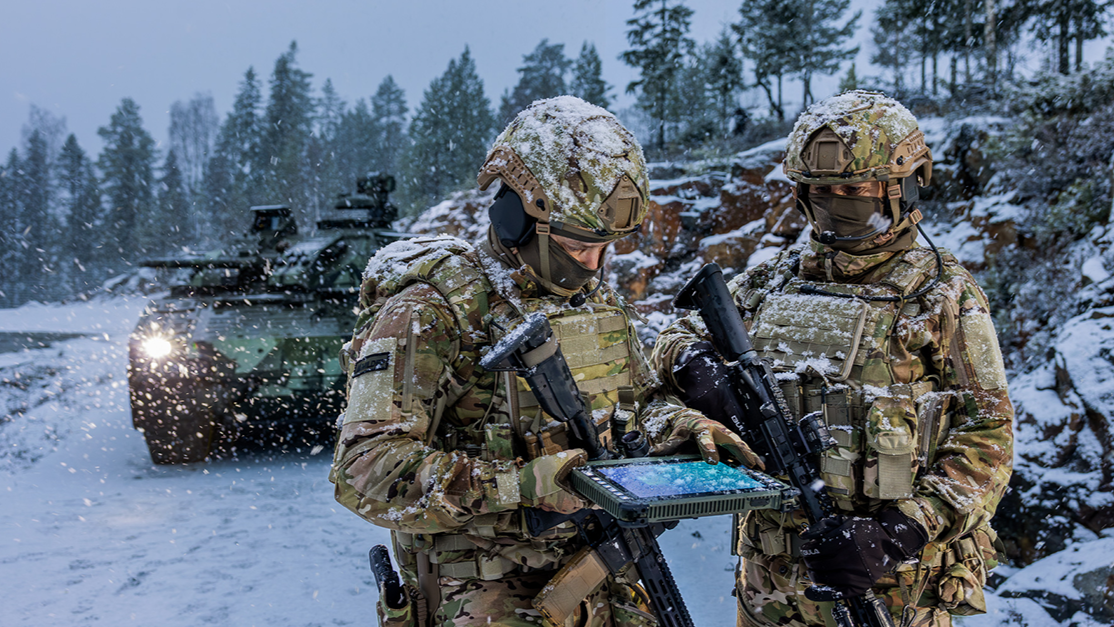
For defense organisations, this means future investments will increasingly be evaluated on how effectively they improve readiness, resilience and operational effectiveness rather than on technical specifications alone.
As Tommy Gustafsson-Rask, CEO of BAE Systems Hägglunds, summarized during Mildef’s defense technology seminar at Almedalsveckan:
It’s not technology itself that will solve a military challenge. It’s the capability.
Innovation remains essential, but simply demonstrating new technology no longer cuts it.
One of the recurring themes across recent events and industry discussions was the challenge of moving from successful demonstrations and pilot projects to deployed capability. While innovation is happening at pace, many initiatives struggle to transition into production, integration and long-term operational use.
As Fredrik Persson, CTO at MilDef Group, highlighted during Almedalen, defense organisations cannot predict exactly what operational requirements will look like in two or three years.
The challenge is therefore not only to adopt the latest technology, but to build solutions that provide a trusted foundation while allowing new capabilities to be added over time – all without compromising reliability.

One of the clearest shifts emerging across the defense industry is the growing sense of urgency.
As security conditions continue to evolve, organizations are increasingly recognizing that good enough today may create greater operational advantage than perfect tomorrow.
This doesn’t mean compromising on reliability or operational effectiveness.
Rather acknowledging that delivering capable solutions faster and evolving them over time is often more valuable than waiting for the perfect solution.
As digitalization accelerates, integration alone is becoming a strategic advantage. The organizations that can connect hardware, software, sensors and communication systems into a coherent operational environment will be better positioned to deliver lasting operational effect.
Modern defense operations rely on multiple systems working together rather than individual platforms operating in isolation. Across events, interoperability, standardization, open architecture and “system of systems” were recurring themes.
Customers are increasingly looking for technologies that integrate seamlessly with existing platforms while remaining flexible enough to support future capabilities.

Delivering defense capability has become too complex for any single organization to do alone.
Both Almedalen and Eurosatory highlighted the growing importance of ecosystem partnerships, collaboration within the industry and closer cooperation between government, industry and technology providers.
Rather than competing as individual suppliers, organisations are increasingly building complementary partnerships that combine specialist expertise, accelerate innovation and strengthen delivery capacity.
As defense programmes continue to grow in scale and complexity, successful collaboration is becoming as important as technological innovation itself.
One of the strongest themes emerging across recent events and forums was the need to scale faster.
Several discussions at Almedalen focused on the need to move quicker from development to operational capability while increasing production capacity.
At the same time, Eurosatory highlighted manufacturing resilience and industrial scalability as growing competitive
differentiators.
The challenge is no longer simply developing advances technology. It’s building the capacity, supply chains and partnerships needed to deliver that capability reliably, and at scale.
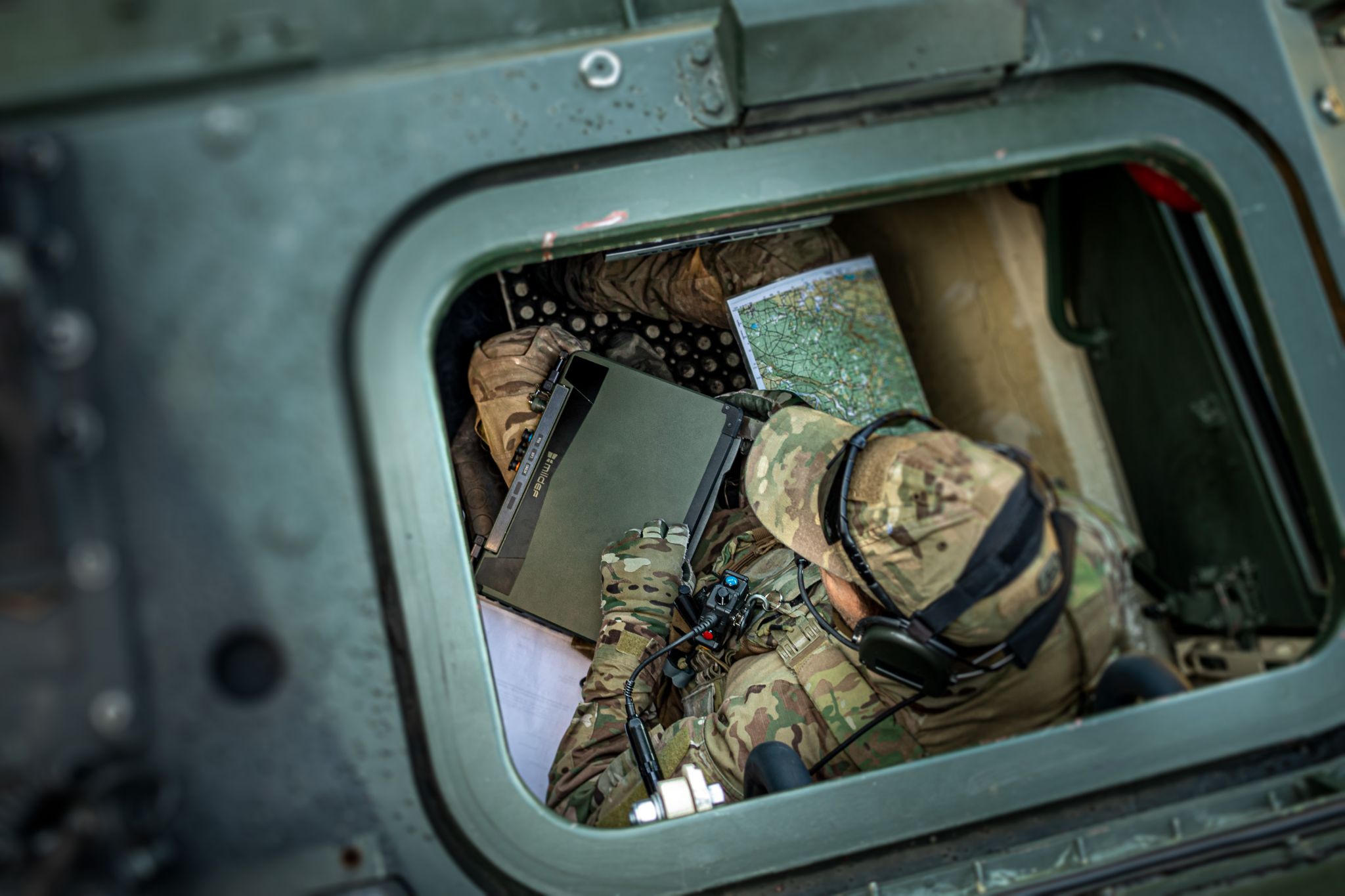
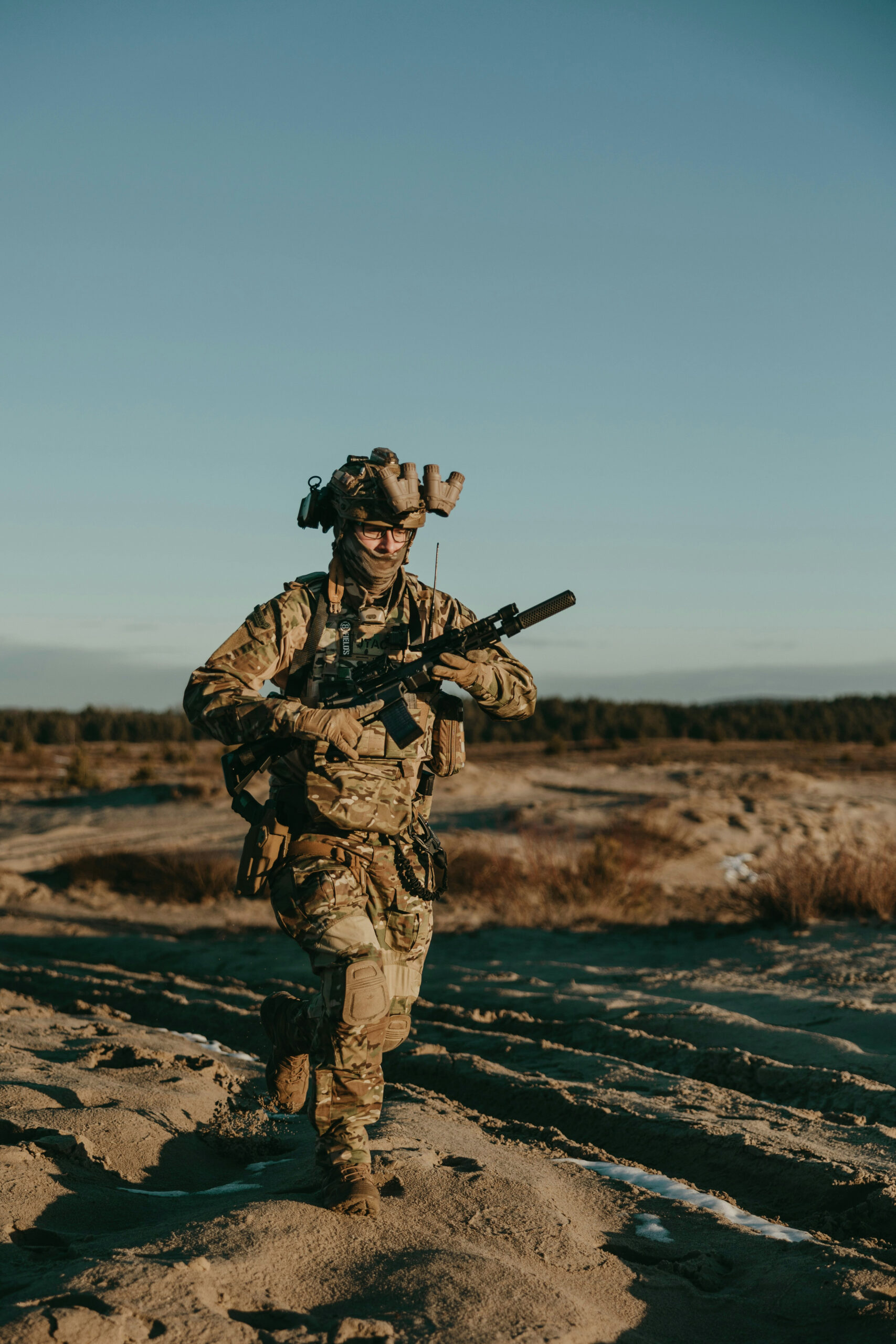
Artificial intelligence was one of the dominant themes throughout Eurosatory. However, the conversation has moved beyond AI as a concept and towards how it can be deployed in real operational environments.
Customer discussions highlighted growing demand for AI-ready computing platforms, rugged edge computing, autonomous systems and drone control capabilities. Rather than treating AI as a standalone technology, organizations are increasingly looking at how it can be integrated into secure, interoperable and mission-ready solutions.
Looking across conversations we’ve had with customers, partners and industry stakeholders, as well as the events and exhibitions we’ve participated in over the past six months, one thing stands out.
The defense industry is moving beyond conversations about individual technologies and increasingly centers on how those technologies are integrated, deployed, scaled and sustained to create real operational effect.
Success will not be defined by who has the newest technology, but by who can transform innovation into trusted, interoperable and mission ready capability.
Prefer to read the report offline? Download the full Defense Industry Insights trend report as a PDF below.